This French toast casserole is the perfect make-ahead breakfast for holidays, busy mornings, or any time you need to feed a crowd. Thick bread soaks up a cinnamon custard overnight, then bakes until golden with a crisp brown sugar streusel topping.
If you love easy breakfast bakes, try this overnight Bisquick breakfast casserole or croissant breakfast casserole with berries. For even more ideas, check out my complete collection of breakfast recipes.
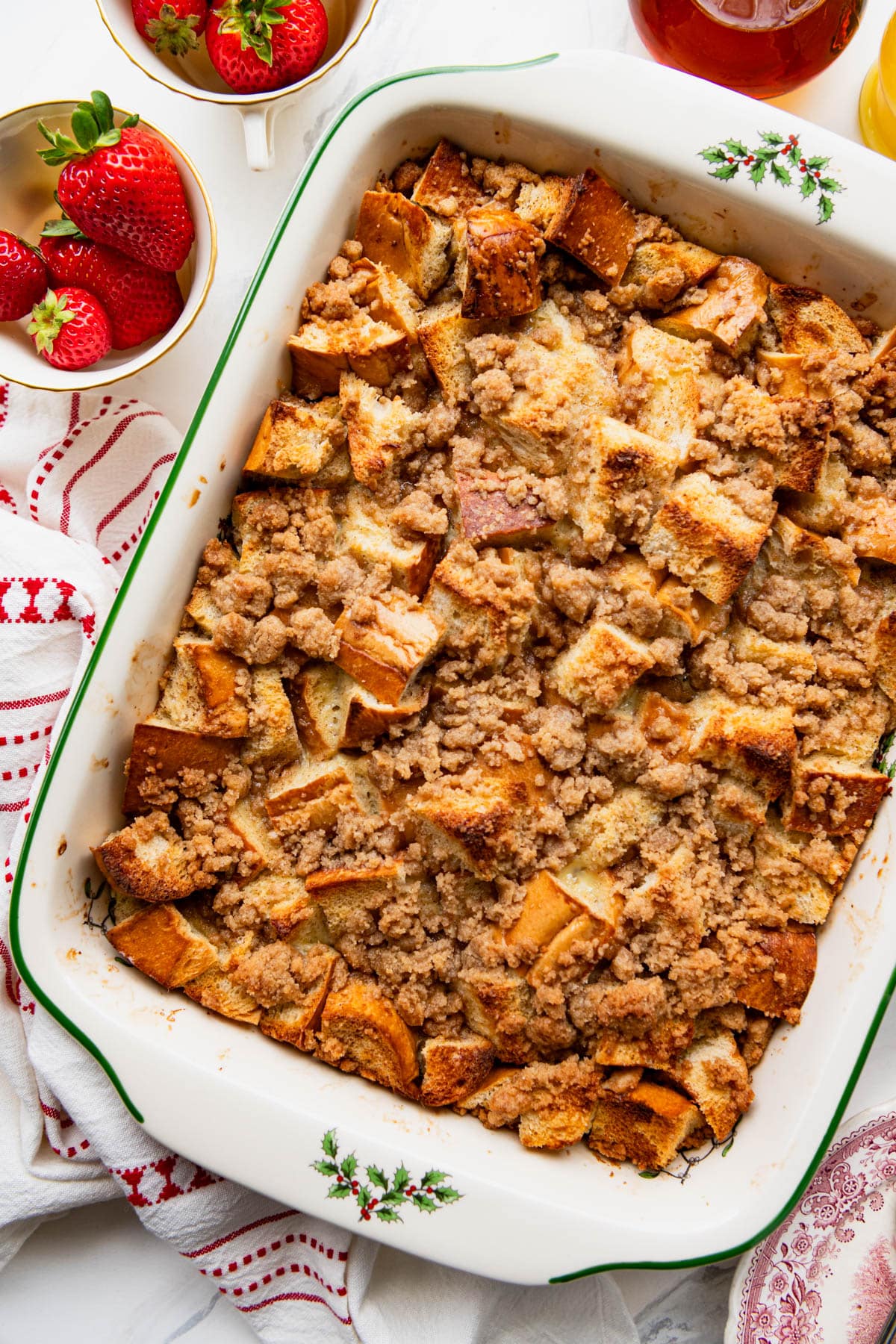
Table of Contents
Before You Get Started
- Use thick bread slices. Your bread should be at least 3/4-inch to 1-inch thick. Brioche, challah, Texas toast, Italian bread, or thick-cut French bread all work beautifully. Thin bread gets soggy and falls apart.
- Day-old bread works best. Slightly stale bread absorbs custard better than fresh. If you’re using a fresh loaf, let it sit out overnight uncovered, or toast the slices lightly before assembling.
- Don’t skip the overnight soak. Refrigerate for at least 2 hours, but overnight is ideal. The longer the bread sits in the custard, the better the flavor and texture.
Best Bread for French Toast Casserole
The best bread for this recipe is thick, sturdy, and a little stale. Thin or fresh bread turns soggy and doesn’t hold up to the custard.
→ French bread and Italian bread are the top choices. Look for a crusty loaf with a soft interior, and slice it thick (about 1-inch).
→ Brioche and challah also work beautifully. They’re rich, slightly sweet, and have the perfect texture for soaking up liquid without falling apart.
→ Texas toast is a convenient option if you want something easy. It’s thick-sliced white bread (often frozen and pre-buttered) that holds up well and adds a little extra richness.
→ Fresh vs. stale: Day-old or slightly stale bread is ideal because it absorbs custard better. If you’re using a fresh loaf, let it sit out overnight or toast the slices lightly before using them.
How to Make French Toast Casserole
This overnight French toast casserole comes together in just a few simple steps. The key is layering the bread, soaking it thoroughly in custard, and letting it rest before baking. Here’s how to do it.
Step 1: Prep the Baking Dish and Add the Bread
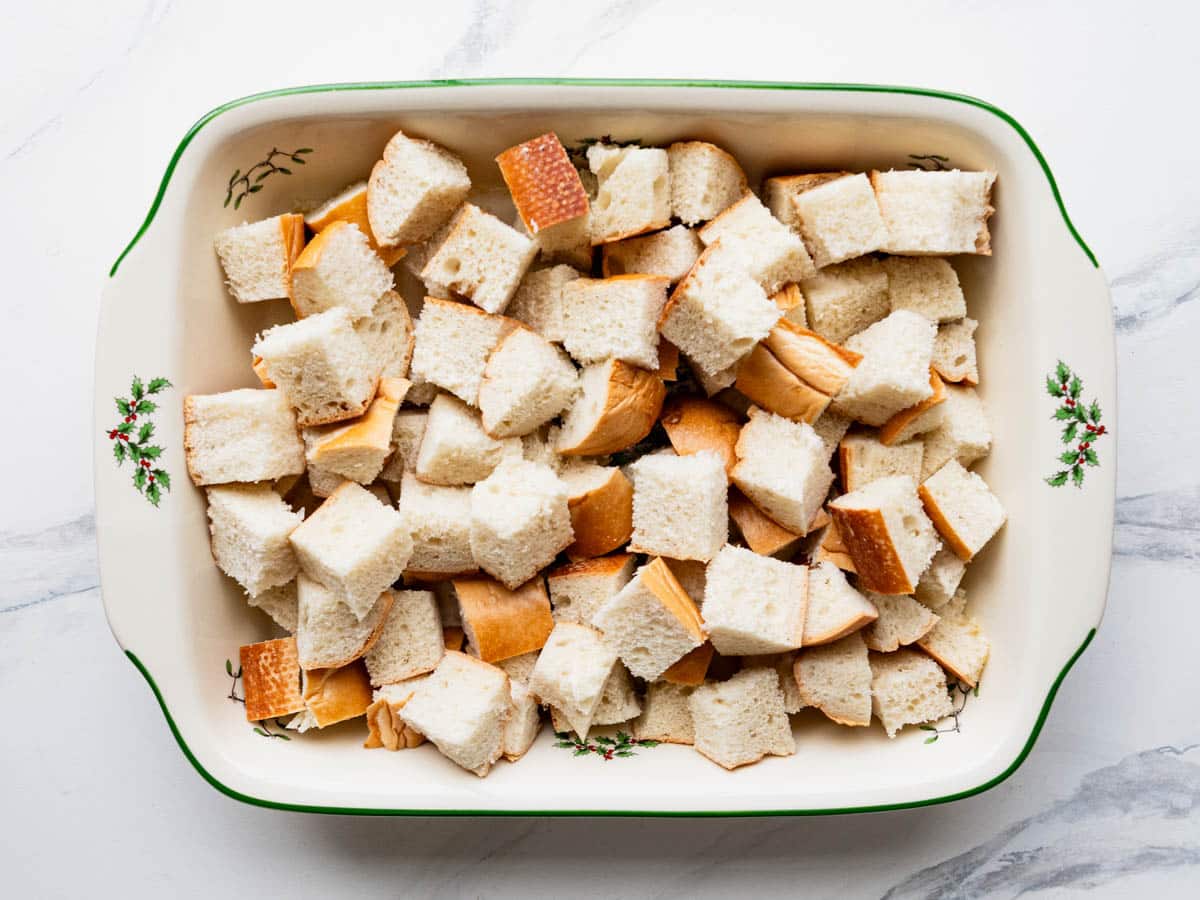
Grease a 9 x 13-inch baking dish with butter or non-stick spray. For extra richness, you can pour a few tablespoons of melted butter into the bottom of the dish before adding the bread. The butter soaks into the bread as it bakes and adds amazing flavor.
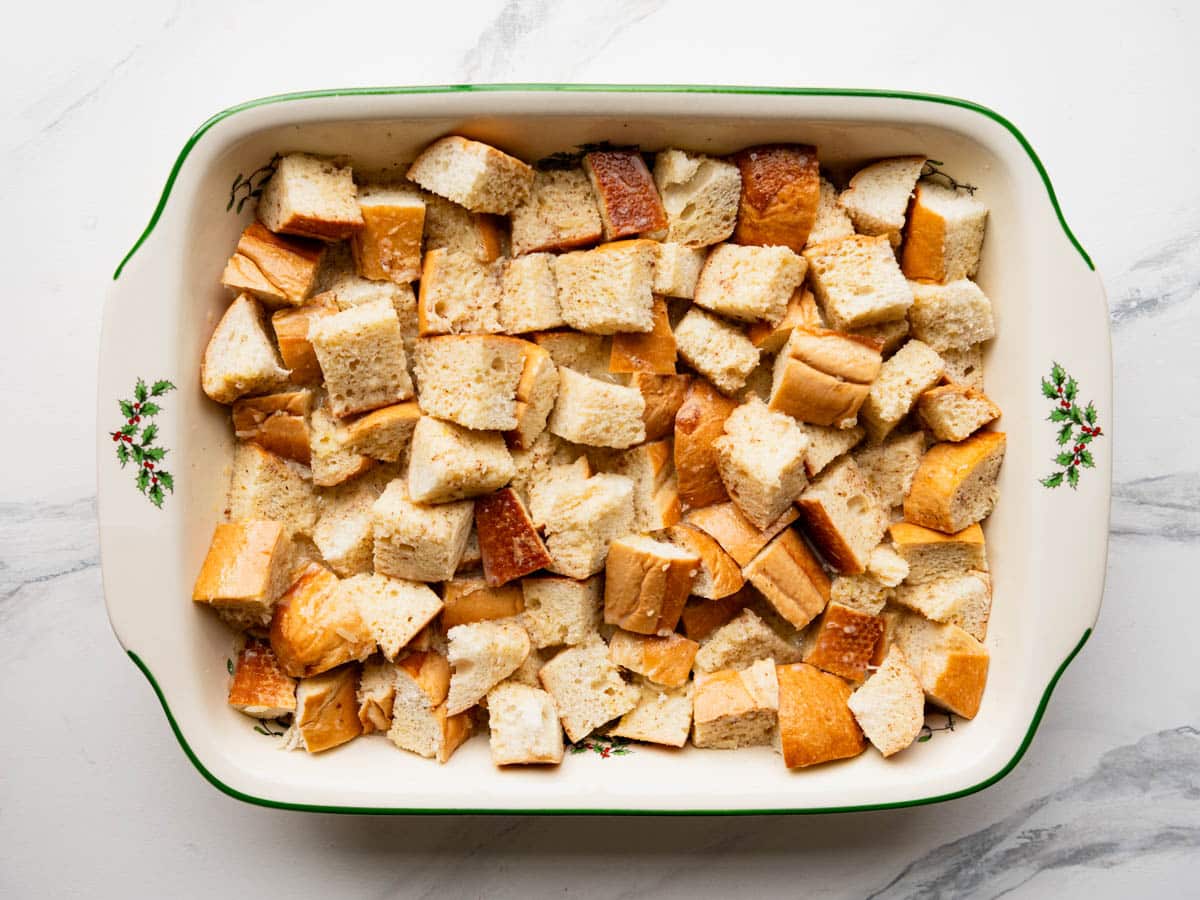
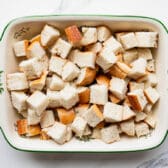
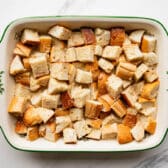
Arrange the bread cubes in an even layer in the dish.
** Quick Note: If you’re making a smaller batch, use an 8 x 8-inch dish and cut the ingredient amounts in half. The baking time stays the same.
Step 2: Prepare the Custard
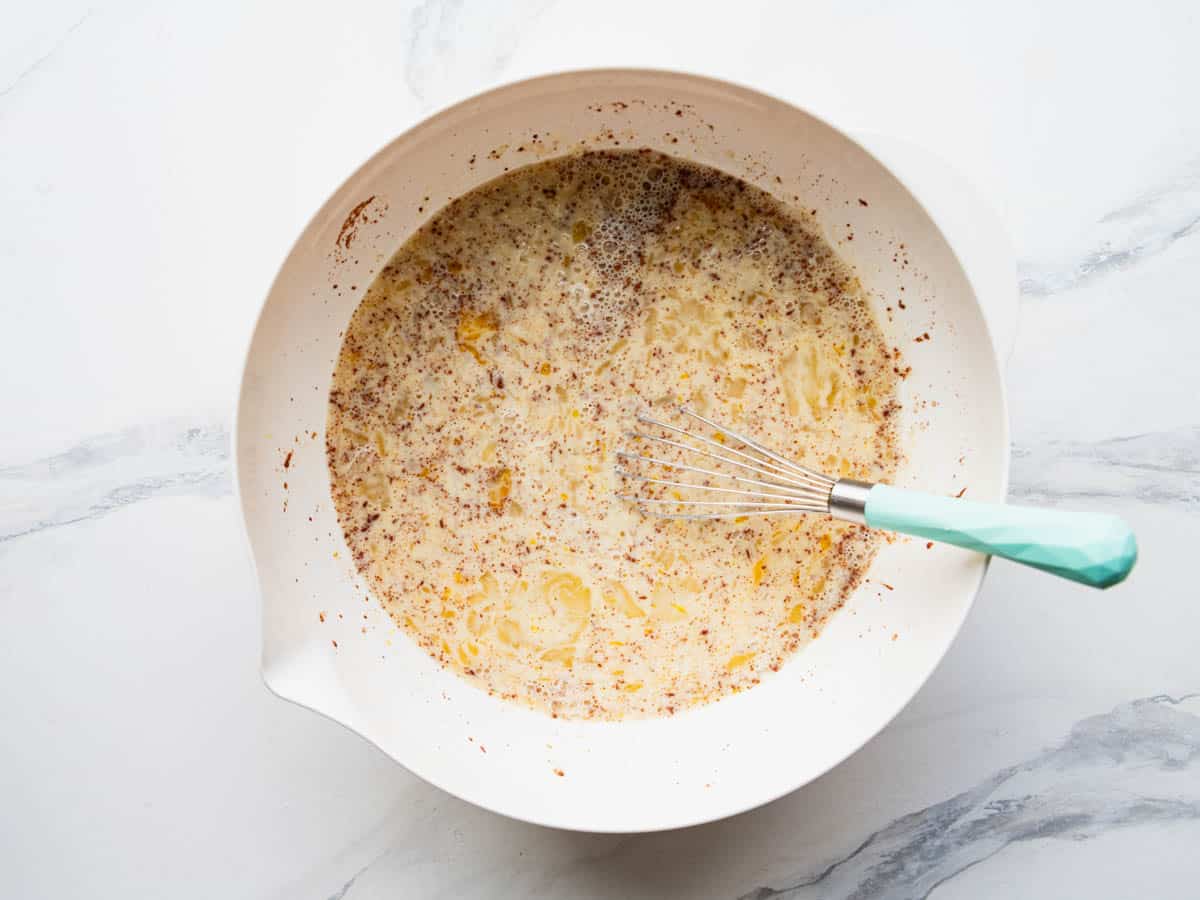
In a large bowl, whisk together the eggs, milk, sugars, vanilla, cinnamon, nutmeg, and salt until smooth and well combined. Drizzle in the melted butter.
Whole milk gives you the creamiest texture, but you can also use 2% milk, half-and-half, or even heavy cream if you want it extra rich.
** Pro Tip: Don’t skip the vanilla. It adds warmth and depth to the custard that really makes the casserole taste special.
Step 3: Combine
Pour the custard evenly over the bread cubes, pressing lightly with a spatula to help the bread absorb the liquid. Don’t press too hard or the bread will get mushy, but make sure every piece gets coated.
** Quick Note: Some of the bread will float a little at first. That’s fine. As it sits, it will soak up the liquid and settle.
Step 4: Cover and Refrigerate
Cover the dish tightly with plastic wrap or foil and refrigerate for at least 2 hours. Overnight is even better. The longer it sits, the more the bread absorbs the custard, which gives you that perfect custardy texture inside.
** Pro Tip: If you’re really short on time, you can bake it after just 30 minutes in the fridge, but the texture won’t be quite as good.
Step 5: Mix the Streusel Topping
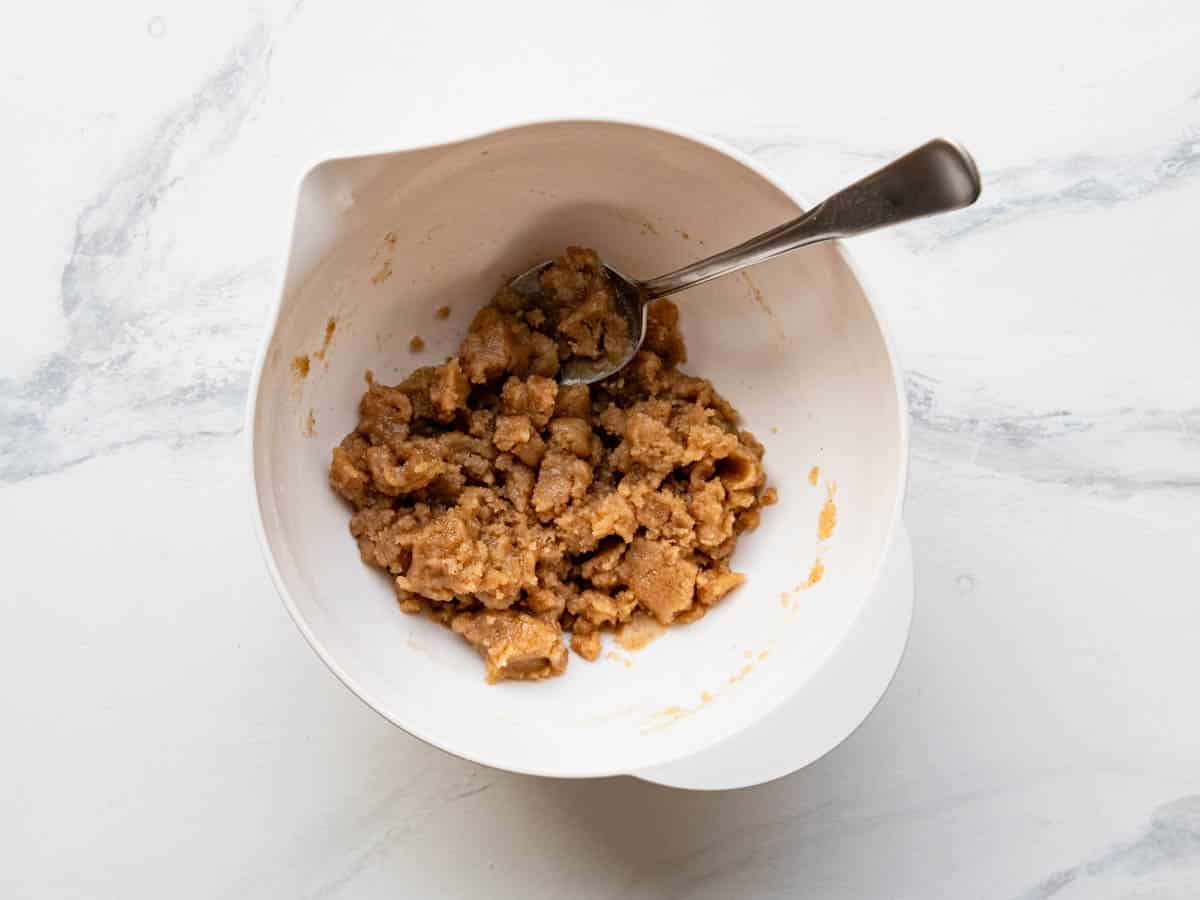
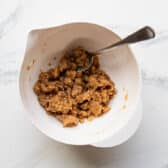
If you’re preparing the optional topping, combine flour, brown sugar, cinnamon, and salt in a small bowl. Add the melted butter and stir small clumps form. Cover and refrigerate until you’re ready to bake the casserole (it will firm up as the butter hardens in the fridge).
Step 6: Add the Topping
When you’re ready to bake, preheat your oven to 350°F.
Remove the casserole and the topping from the fridge and let them sit on the counter while the oven heats up. This takes the chill off so the casserole bakes more evenly, and softens the topping a bit.
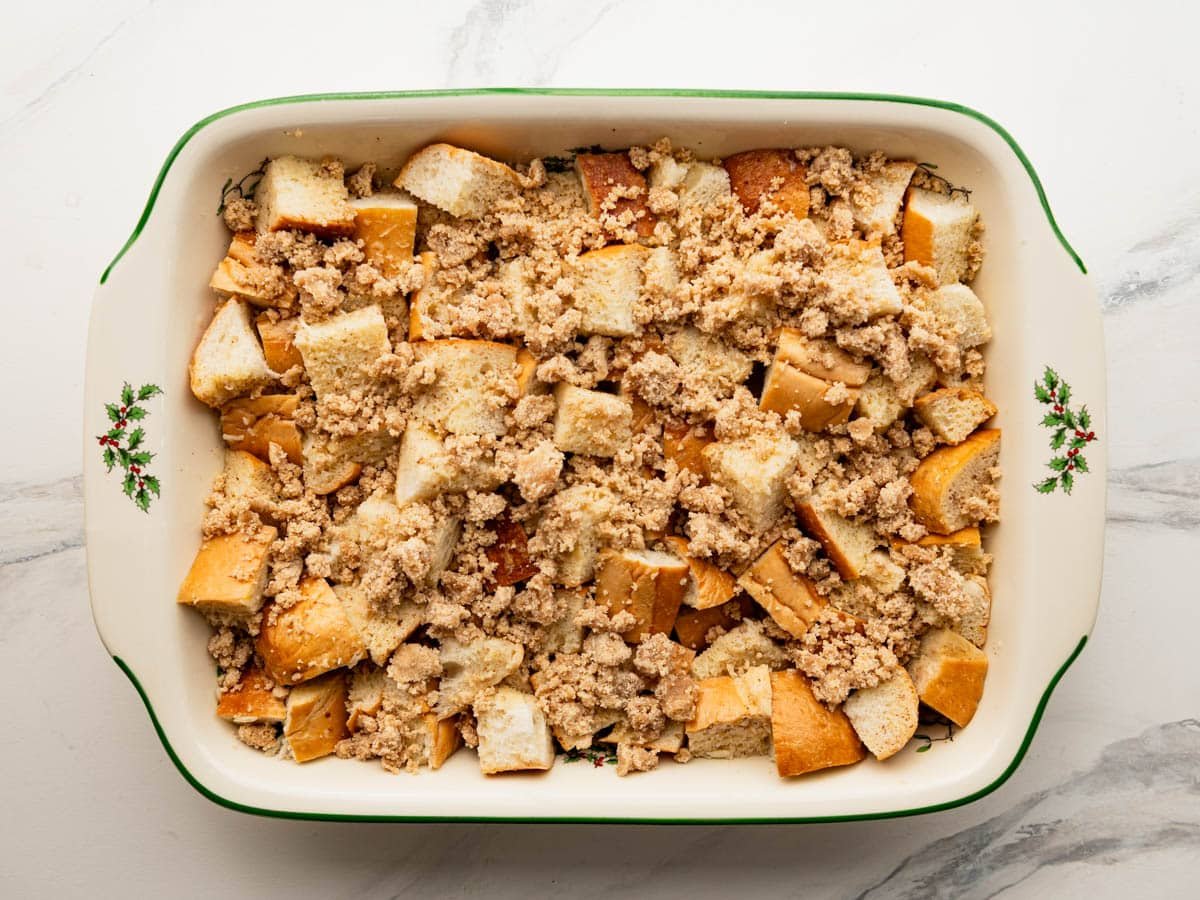
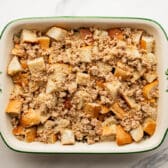
Sprinkle the topping over the casserole, if you’re using the optional streusel.
Step 7: Bake the Casserole
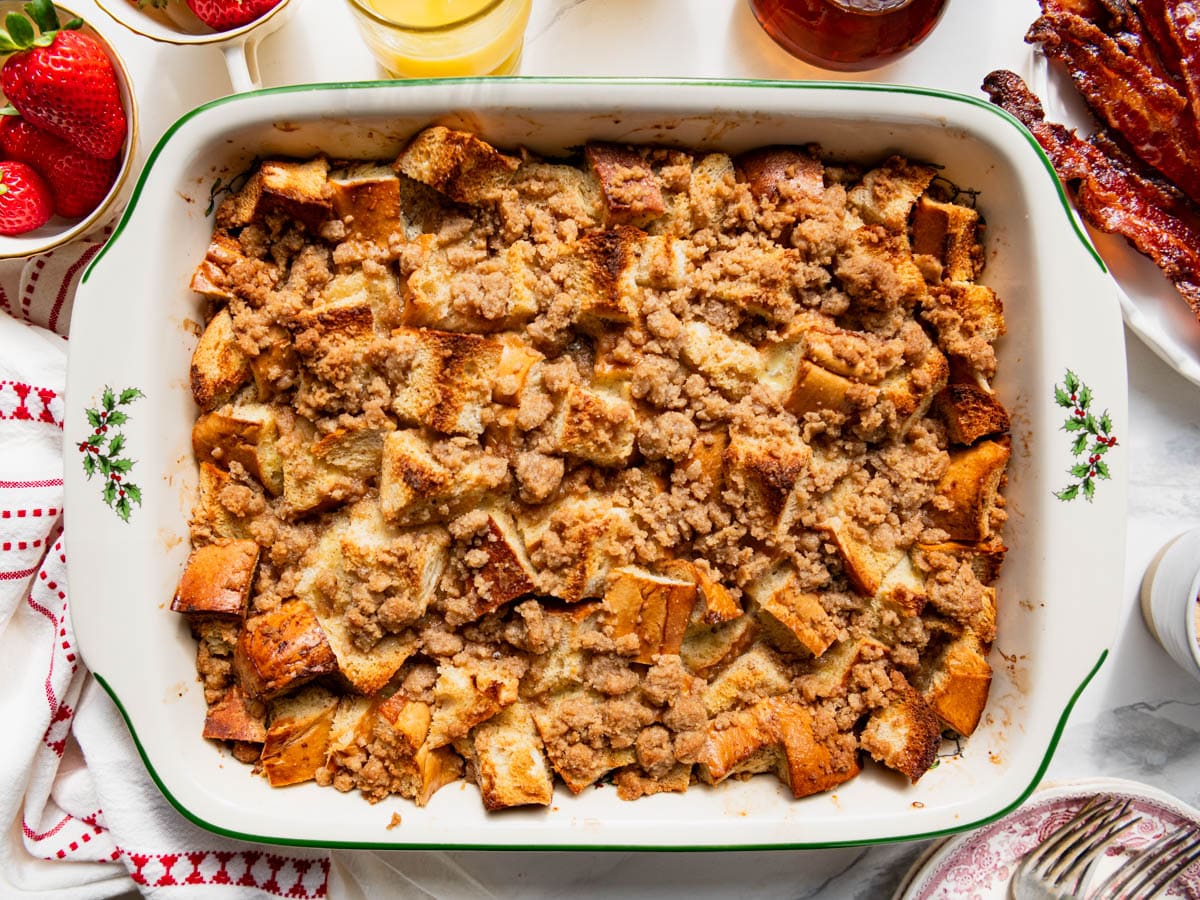
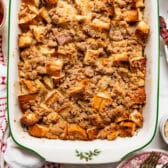
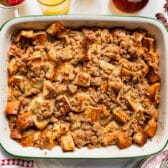
Bake uncovered for 50-60 minutes, or until the top is golden brown and the center is set.
The casserole is done when the center no longer jiggles and a knife inserted in the middle comes out mostly clean.
** Pro Tip: If the top starts to brown too quickly during the final 20 minutes, tent it loosely with foil to protect it.
Step 8: Let It Rest
Once the casserole is out of the oven, let it rest for about 10 minutes before slicing. This gives it time to set up so the pieces hold their shape instead of falling apart.
Step 9: Serve and Enjoy
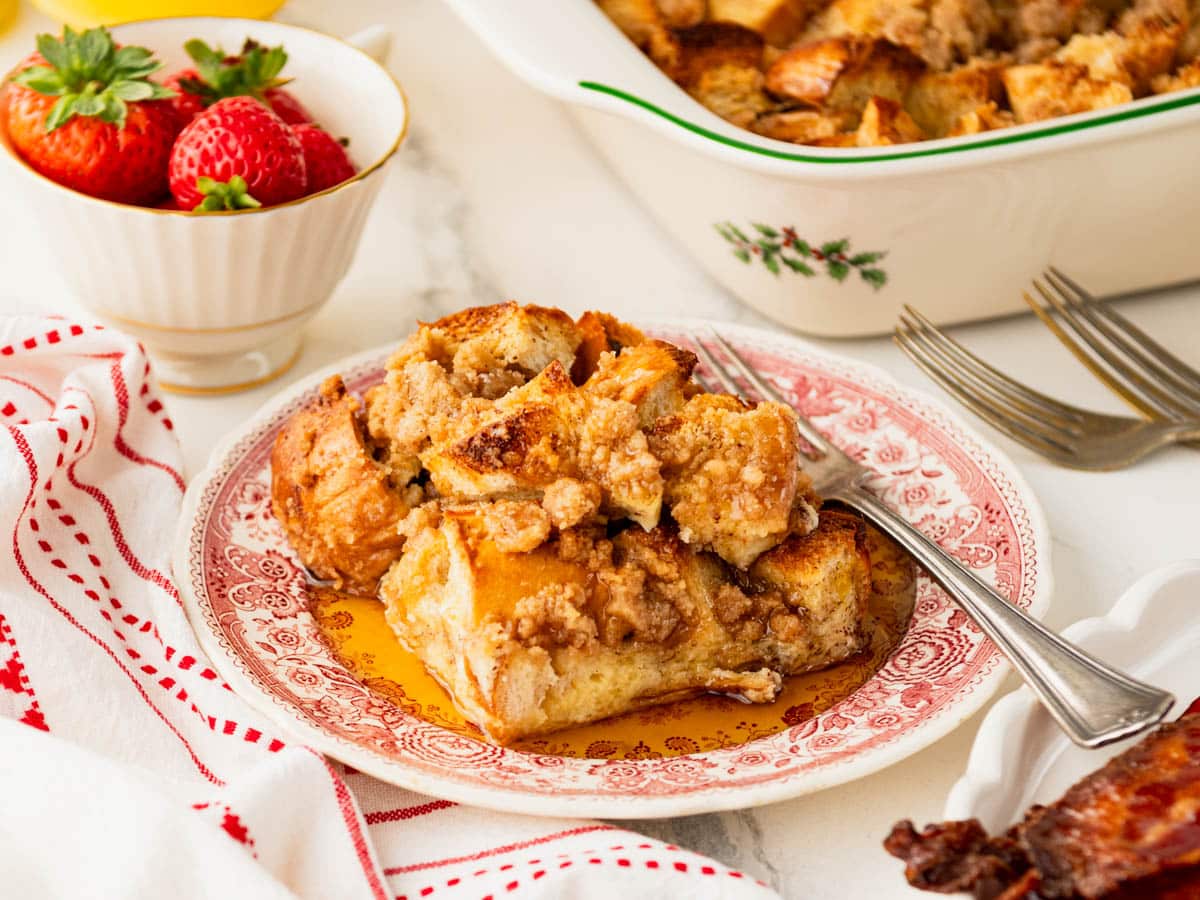
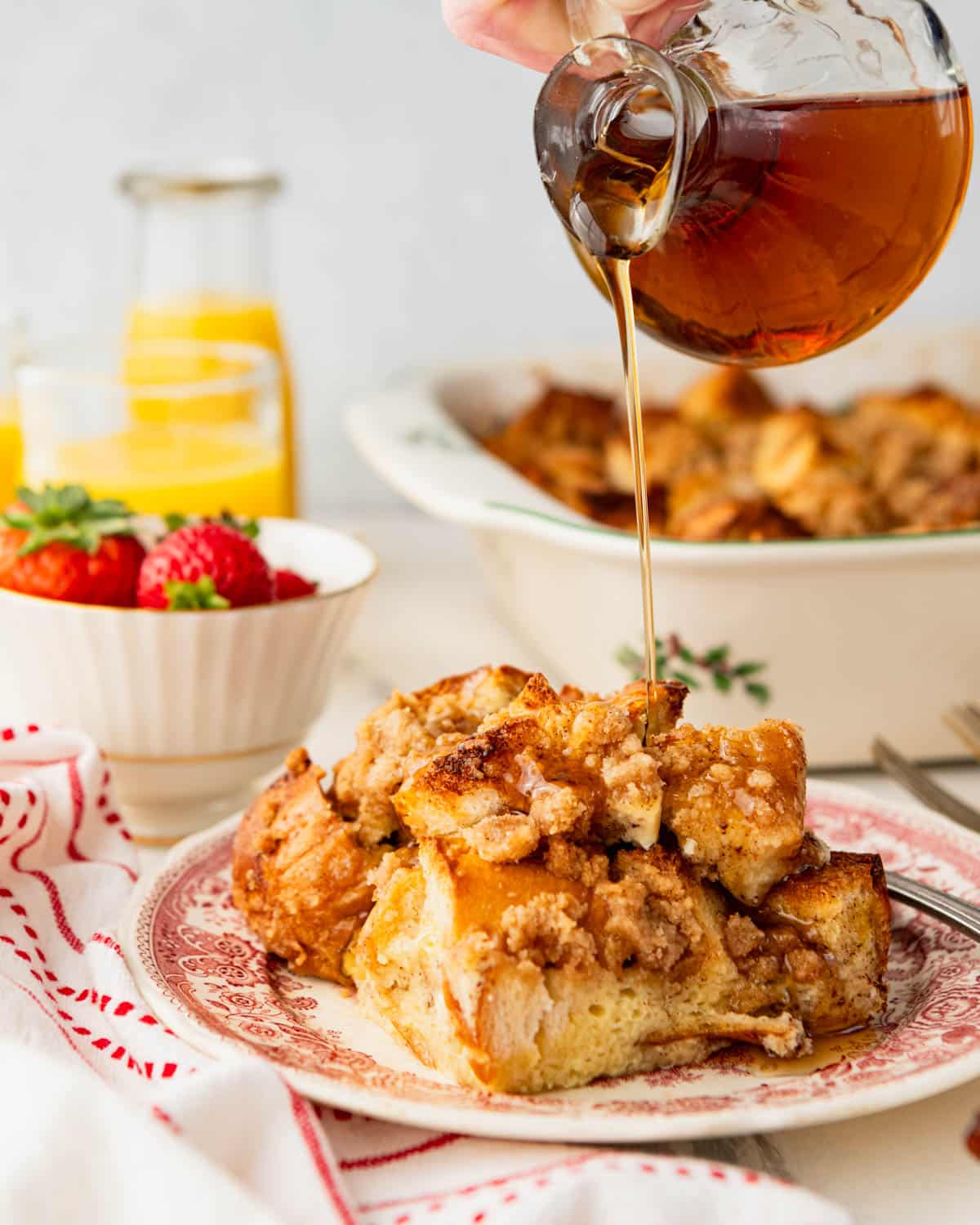
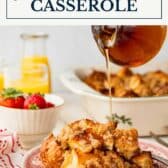
Slice the casserole into squares and serve warm. Top with maple syrup, a dusting of powdered sugar, fresh berries, or a dollop of whipped cream. It’s also delicious with a side of crispy pig candy (candied bacon) or sausage for a sweet-and-savory breakfast.
** Quick Note: Leftovers reheat beautifully. Just pop a slice in the microwave for 30-60 seconds, or warm the whole dish covered in a 350°F oven for 15-20 minutes.
Variations and Serving Ideas
- Topping ideas: Add chopped pecans or walnuts to the streusel for crunch. Drizzle with maple syrup or dust with powdered sugar before serving.
- Flavor mix-ins: Layer in fresh or frozen berries (blueberries, strawberries), chocolate chips, or dollops of cream cheese between bread layers for extra richness.
- Dairy swaps: Use almond milk, oat milk, or half-and-half in place of whole milk.
- Serving suggestions: Pair with crispy bacon, sausage links, fresh fruit, or a dollop of whipped cream.
- Texas toast variation: For the original Texas toast version, use frozen buttered Texas toast (not garlic) and follow the same method. This adds extra buttery flavor and convenience.
Storage, Freezing & Make Ahead
- Make-Ahead: Assemble the casserole up to 24 hours in advance. Cover tightly and refrigerate until ready to bake.
- Storage: Store leftovers in an airtight container in the fridge for up to 3 days. Reheat individual portions in the microwave or warm the whole dish covered in a 350°F oven for 15-20 minutes.
- Freezing: Assemble the unbaked casserole, wrap tightly in plastic wrap and foil, and freeze for up to 2 months. Thaw overnight in the fridge before baking. You can also freeze baked leftovers; thaw and reheat as needed.
Frequently Asked Questions
Why is my French toast casserole soggy?
Soggy casserole usually means the bread was too thin, too fresh, or over-soaked. Use thick slices (3/4-inch to 1-inch), day-old or stale bread, and make sure the custard is evenly distributed without drowning the bread. Baking uncovered also helps the center cook through without leaving it wet.
What is the best bread for French toast casserole?
Brioche, challah, and thick-cut French or Italian bread are top choices because they’re sturdy and soak up custard well. Texas toast is another great option for convenience and thickness. Day-old or slightly stale bread works best since it absorbs liquid better than fresh.
Can you make French toast casserole the night before?
Yes. In fact, it’s better that way. Assemble the casserole, cover it, and refrigerate for at least 1 hour or overnight. The longer it sits, the more the bread absorbs the custard, leading to better flavor and texture.
Can French toast casserole be frozen?
Yes. Freeze the unbaked casserole (tightly wrapped) for up to 2 months. Thaw in the fridge overnight before baking. You can also freeze baked leftovers and reheat them later.
How do I know when French toast casserole is done?
The center should be set and not jiggly. A knife inserted in the middle should come out mostly clean, and the top should be golden brown. If you have a thermometer, the internal temperature should reach about 160°F.
Can I use fresh bread instead of stale?
Yes, but let it sit out overnight to dry slightly, or toast it lightly before assembling. Fresh bread doesn’t absorb custard as well and can lead to a mushy texture.
Related Recipes

Did you make this recipe?
If you enjoyed this recipe, please leave a comment with a 5-star review at the bottom of the post. Thank you!
Watch How to Make It
French Toast Casserole
Equipment
- 9 x 13-Inch Baking Dish
Ingredients
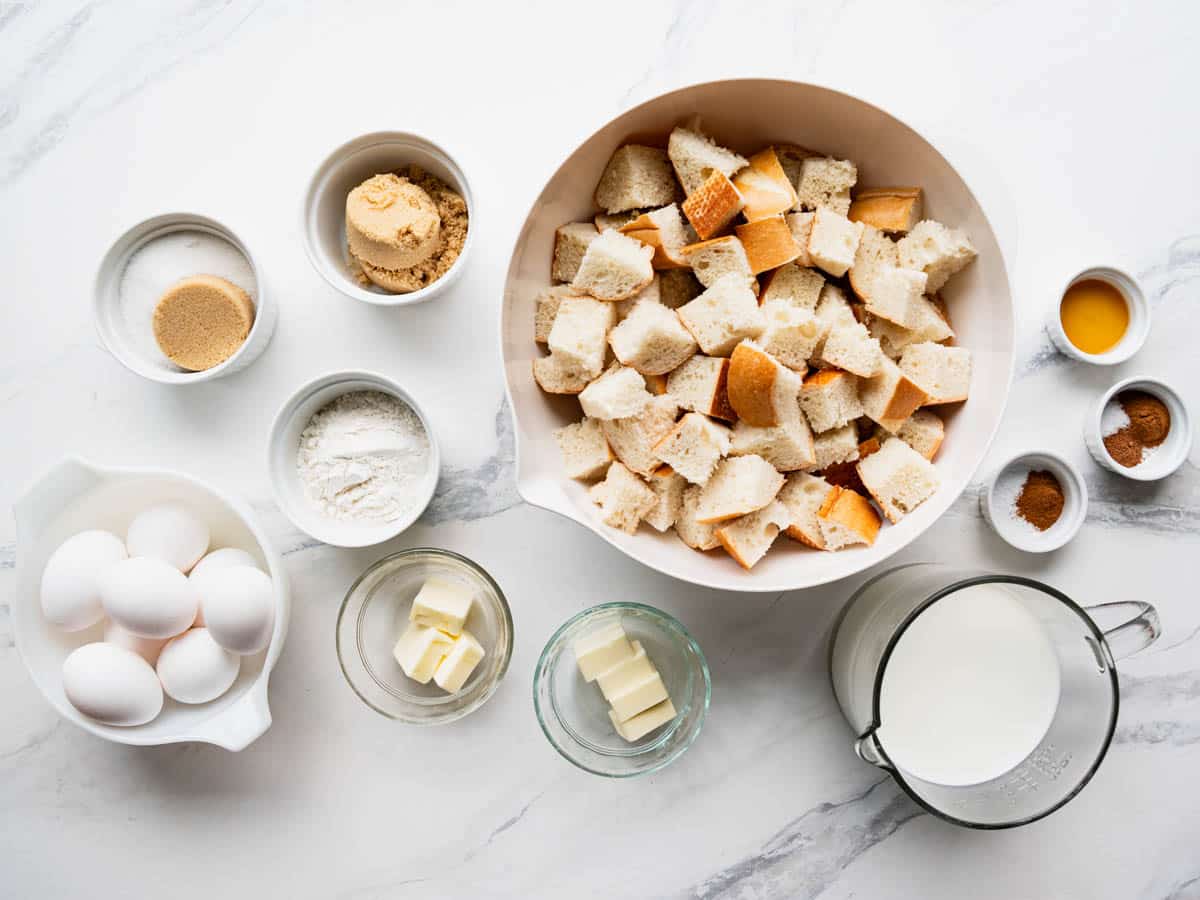
- 1 loaf (about 14–16 ounces) day-old French or Italian bread, cut or torn into 1-inch cubes (about 10-11 cups)
- 8 large eggs
- 2 ½ cups whole milk (or sub half-and-half for a richer custard)
- ½ cup granulated sugar
- ¼ cup packed light brown sugar
- 2 teaspoons vanilla extract
- 1 teaspoon ground cinnamon
- ¼ teaspoon ground nutmeg
- ¼ teaspoon kosher salt
- 3 tablespoons salted butter, melted (plus more for greasing the dish)
Optional Streusel Topping:
- ½ cup all-purpose flour
- ½ cup packed light brown sugar
- ½ teaspoon ground cinnamon
- ⅛ teaspoon kosher salt
- 4 tablespoons salted butter, melted
- Optional, for serving: powdered sugar, warm maple syrup, whipped cream, or fresh berries
Instructions
Prep the dish:
- Grease a 9 x 13-inch baking dish with butter or nonstick spray. Spread the cubed bread evenly in the dish.

Make the custard:
- In a large bowl, whisk together the eggs, milk, sugars, vanilla, cinnamon, nutmeg, and salt until well blended. Slowly drizzle in the melted butter while whisking.

Combine:
- Pour the custard evenly over the bread cubes, pressing lightly with a spatula to help the bread absorb the liquid. Cover tightly and refrigerate for at least 2 hours or overnight.
Make the Streusel (Optional):
- In a small bowl, combine the flour, brown sugar, cinnamon, and salt. Add the melted butter and stir small clumps form. Cover and refrigerate until you’re ready to bake the casserole.
Bake:
- When ready to bake, preheat the oven to 350°F. Uncover the casserole and the streusel and let sit at room temperature for 30 minutes while the oven warms. Sprinkle the streusel over top, breaking up any big chunks with your fingers or a fork.
- Bake for 50-60 minutes, or until the top is golden brown and the center is set. If the top starts to get too dark before the casserole is done, tent the dish loosely with foil and continue baking.
Serve:
- Let the casserole rest for 10 minutes before serving. Dust with powdered sugar and drizzle with warm maple syrup.

Notes
- Use thick bread: Slices should be at least 3/4-inch to 1-inch thick. Brioche, challah, Italian bread, French bread, or Texas toast all work well.
- Day-old bread is best: Slightly stale bread absorbs custard better than fresh. Let fresh bread sit out overnight or toast lightly before using.
- Don’t skip the chill time: Refrigerate the assembled casserole for at least 2 hours (overnight is ideal) so the bread fully absorbs the custard.
- Press gently: After adding the custard, gently press down on the bread to ensure all pieces are evenly soaked.
- Doneness test: The center should be firm (not jiggly) and a knife inserted should come out mostly clean. Internal temp should reach about 160°F.
- Let it rest: Allow the casserole to rest for 10 minutes after baking so it sets and slices cleanly.
- Storage: Store leftovers in an airtight container in the fridge for up to 3 days. Reheat in the microwave or oven.
- Freezing: Wrap the unbaked casserole tightly and freeze for up to 2 months. Thaw overnight in the fridge before baking.
- Smaller batch: Use an 8 x 8-inch dish and cut all ingredients in half. Baking time remains the same.
Nutrition
Originally published in March, 2018, this recipe was updated in December, 2025.












This was a hit for Easter brunch! Used a dense Italian loaf that is made locally and sliced it thick. Will definitely make again. Thank you!
Hi, Jean! I’m so happy to hear that! Thank you for letting me know. 🙂
Wow I’ve never made a french toast casserole before this looks amazing. Perfect for weekend brunch!
Thanks, Emily!
Super Easy to follow and bake up. I prepared everything and left overnight. yummy…yummy have printed out a copy for my Mom. I have 3 more breakfasts for myself. Thank you for sharing.
Awesome! So glad that you enjoyed it, Barbara. Thanks for sharing the recipe with your mom, too! 🙂