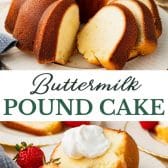
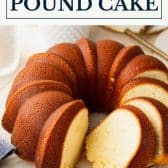
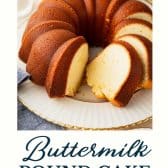
This classic buttermilk pound cake delivers a tender, moist crumb, golden brown crust, and rich vanilla flavor. Buttermilk creates a soft texture and subtle tang, while simple ingredients and clear instructions make the cake foolproof every time!
If you love this recipe, try my one-bowl vanilla buttermilk cake, cream cheese pound cake, or buttermilk chocolate cake for delicious variations. For more ideas, check out my collection of 10 Perfect Pound Cake Recipes for Every Occasion.
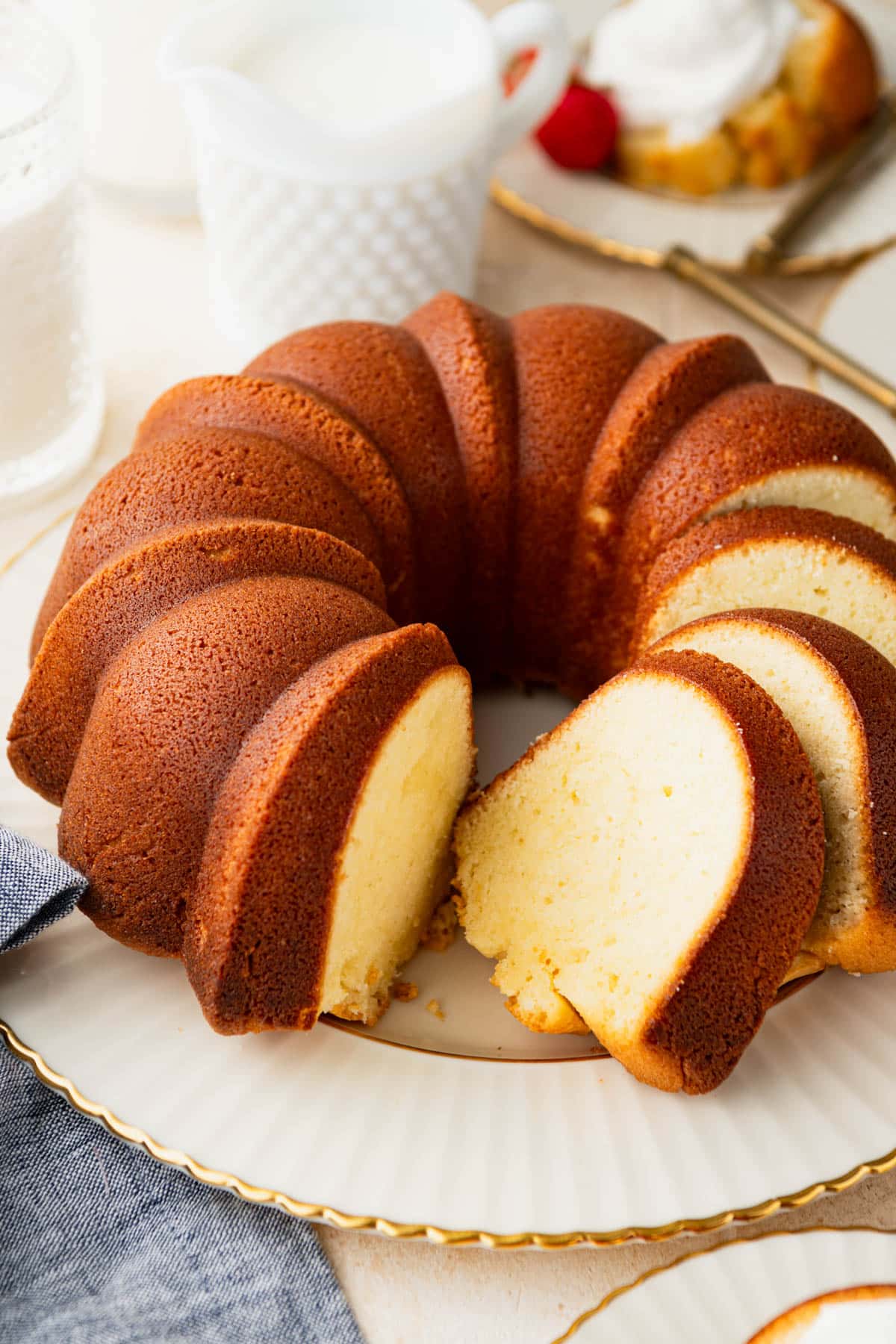
Table of Contents
Before You Get Started
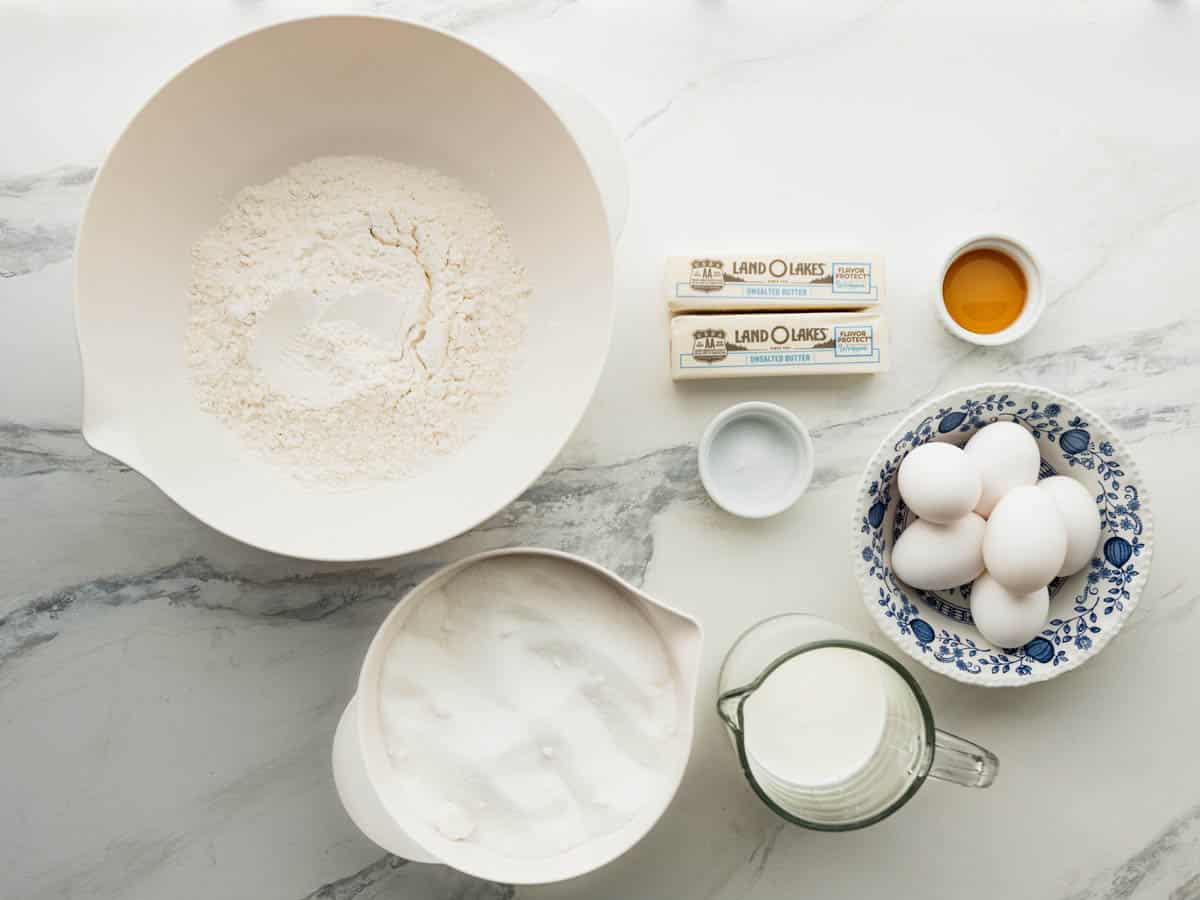
- Use room temperature ingredients. Cold eggs, butter, and buttermilk won’t cream properly, which can lead to a dense cake. Set them out at least 60 minutes before you start baking.
- Don’t skip the creaming step. Beat the butter and sugar until light and fluffy (5-6 minutes). This incorporates air and helps the cake rise.
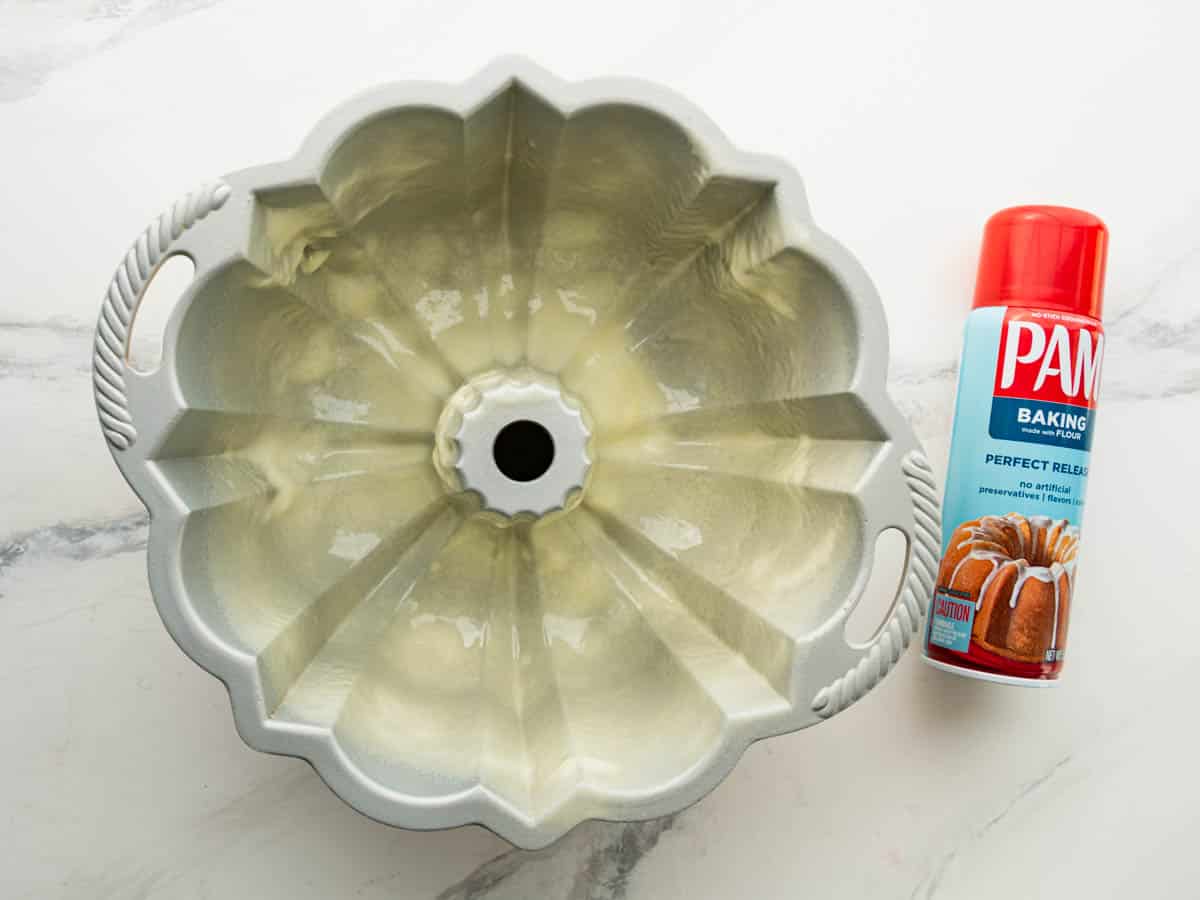
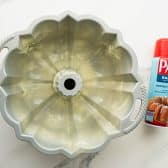
- Prepare your pan thoroughly. Grease every corner and crevice of your bundt or tube pan, then dust with flour. This prevents sticking and ensures a clean release. For an even easier option, try nonstick baking spray.
How to Make Buttermilk Pound Cake
Step 1: Prep Your Pan and Preheat the Oven
Preheat your oven to 325°F. Position the rack in the center of the oven for even heat distribution.
Grease your bundt pan thoroughly using softened butter or baking spray with flour. Get into every groove and crevice, especially around the center tube and decorative ridges. Dust lightly with flour, then tap out the excess.
Pound cakes are dense and can stick easily. Proper pan prep is the difference between a beautiful cake and a frustrating mess!
** Pro Tip: Use a pastry brush dipped in melted butter to reach every corner of intricate bundt pans. This extra step prevents sticking and ensures a clean release.
Step 2: Combine the Dry Ingredients
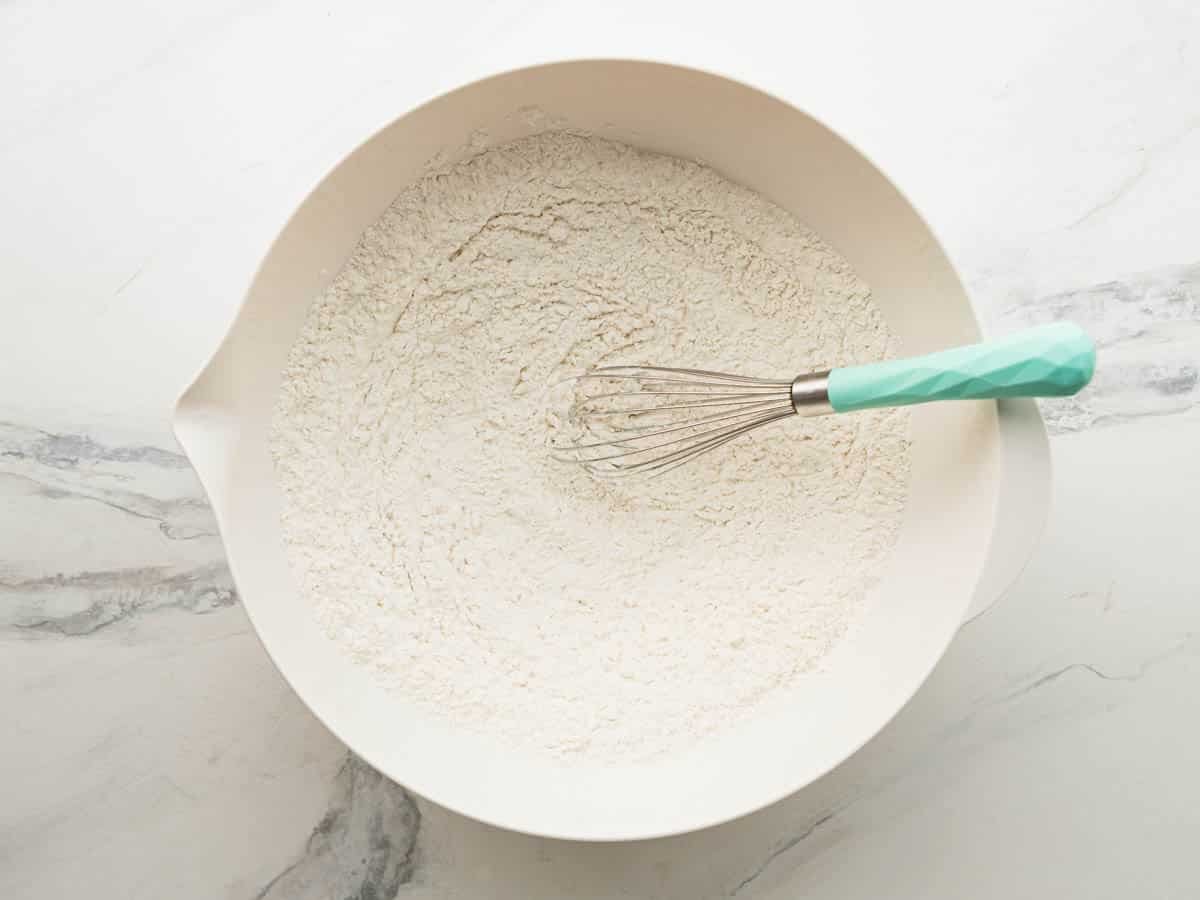
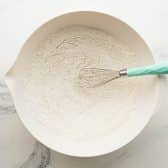
In a large bowl, whisk together the all-purpose flour and salt until well combined.
Whisking breaks up any clumps and distributes the salt evenly so every bite has consistent flavor and texture.
Set the flour mixture aside so that it’s ready to go when you need it later.
** Pro Tip: Measure flour correctly by spooning it into your measuring cup and leveling it off with a knife (or weighing on a kitchen scale). Don’t scoop directly from the bag or pack it down, as this adds too much flour and creates a dry, dense cake.
Step 3: Cream the Butter and Sugar
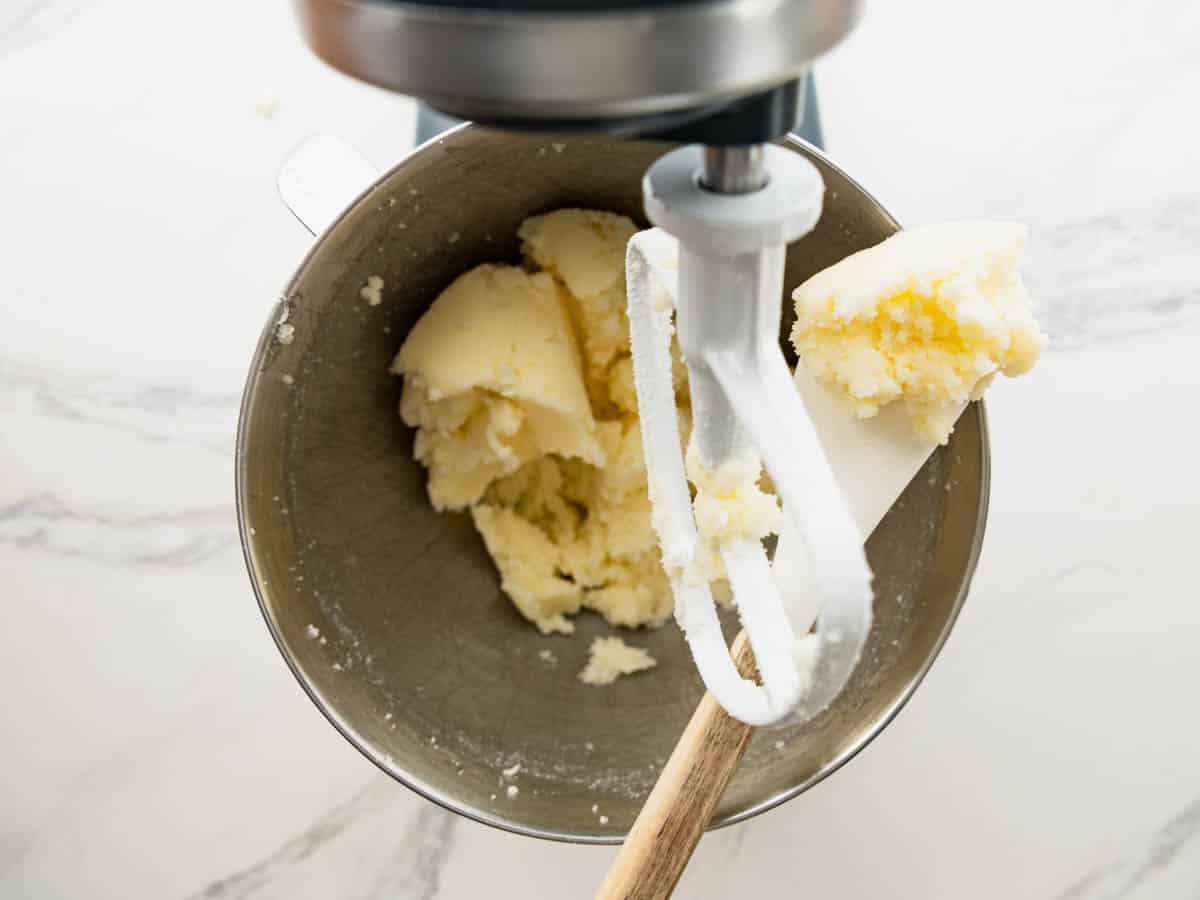
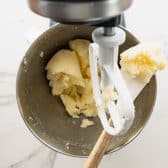
In a large bowl or stand mixer, beat the softened butter and granulated sugar together on medium speed for 5-6 minutes.
Creaming incorporates air into the batter, which helps the cake rise and creates a tender crumb. Rushing this step results in a dense, heavy cake.
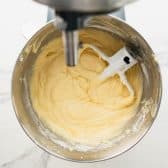
** Pro Tip: Properly creamed butter and sugar should look light, fluffy, and pale in color (almost white). The mixture should also increase in volume.
** Pro Tip: Your butter should be at room temperature (about 65-70°F). It should give slightly when pressed but not be greasy or melted. If it’s too cold, it won’t cream properly. If it’s too soft, it won’t hold air.
** Quick Note: Scrape down the sides and bottom of the bowl halfway through to ensure everything is incorporated evenly.
Step 4: Add the Eggs
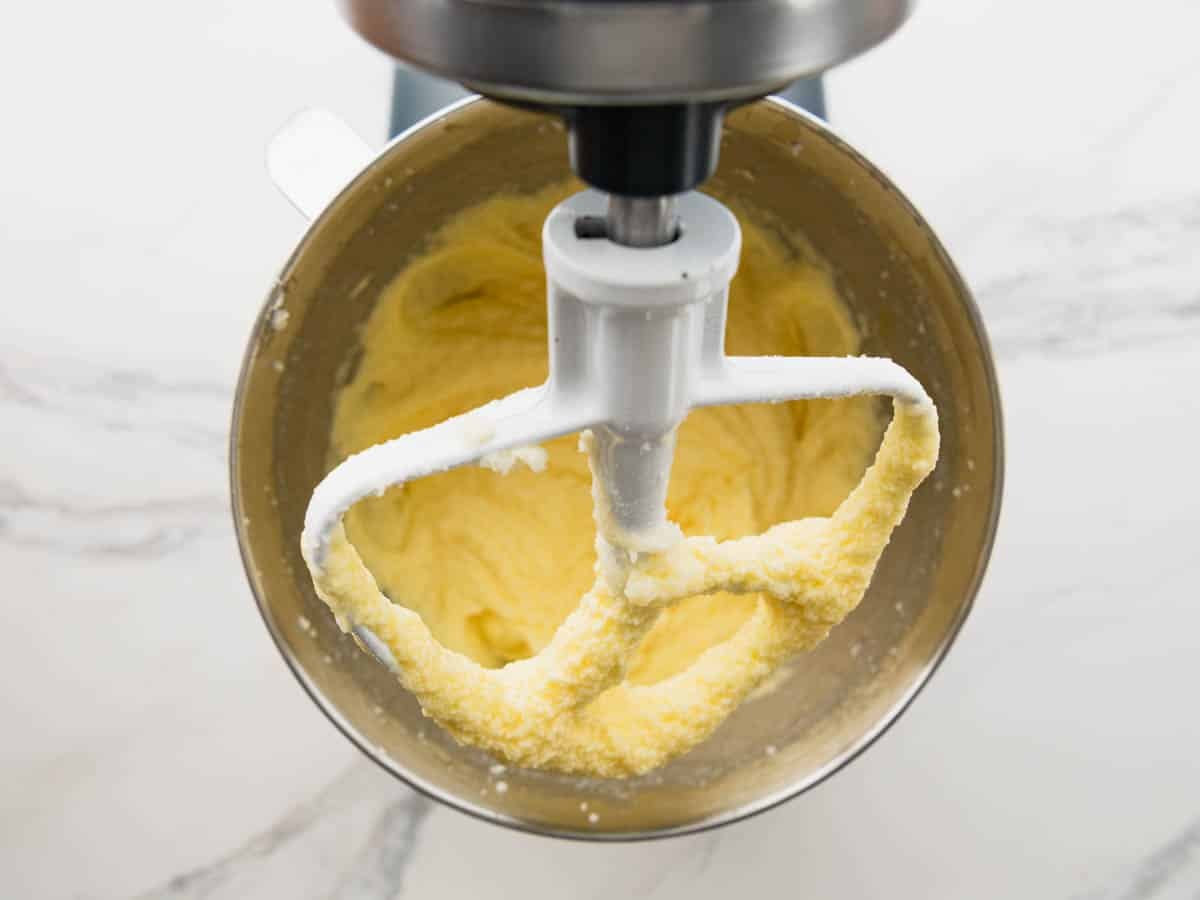
Add the eggs one at a time, beating well after each addition (about 30 seconds per egg). Make sure each egg is fully incorporated before adding the next.
Adding eggs one at a time is important because it creates a stable emulsion and ensures the eggs are evenly distributed throughout the batter.
Use room temperature eggs (they should have been out of the fridge for 30-60 minutes). Cold eggs can cause the butter mixture to curdle or separate.
** Quick Note: If your mixture looks slightly curdled or separated, don’t worry. It will come together once you add the dry ingredients.
Step 5: Alternate Adding Dry Ingredients and Buttermilk
With the mixer on low speed, add the flour mixture in three additions, alternating with the buttermilk in two additions. Start and end with the flour mixture (flour, buttermilk, flour, buttermilk, flour).
Mix just until each addition disappears into the batter. Don’t overmix.
Buttermilk is a key ingredient! The acidity in buttermilk tenderizes the cake by breaking down gluten, adds moisture and richness, and provides a subtle tangy flavor that balances the sweetness.
Buttermilk Substitution: Don’t have buttermilk? Add 1 tablespoon white vinegar or lemon juice to a measuring cup, then fill to the 1-cup line with whole milk or 2% milk. Stir and let it sit for 5 minutes before using. This creates a quick substitute that works well in this recipe.
** Pro Tip: Scrape down the sides of the bowl between additions to make sure everything is incorporated.
** Critical reminder: Mix gently once the flour is added. Overmixing develops gluten and creates a tough, dense texture. Stop mixing as soon as the flour disappears.
Step 6: Add Vanilla
Stir in the vanilla extract (use pure vanilla extract for the best flavor, not imitation).
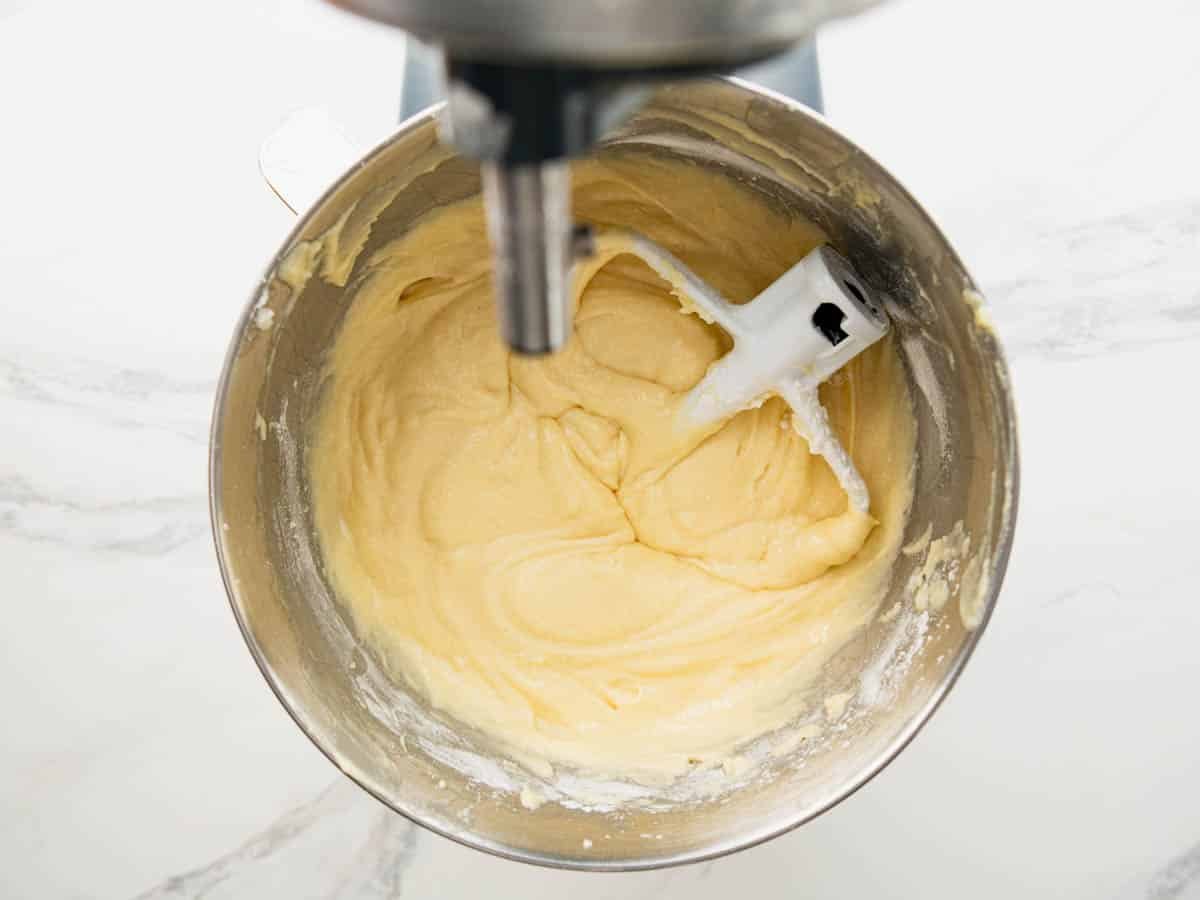
Give the batter one final gentle stir to ensure everything is evenly mixed, scraping the bottom and sides of the bowl.
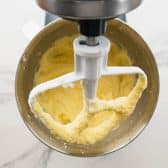
** Texture Note: The batter should loo thick, smooth, and pale yellow. It should be pourable but have some body to it.
Step 7: Pour Batter Into Pan and Bake
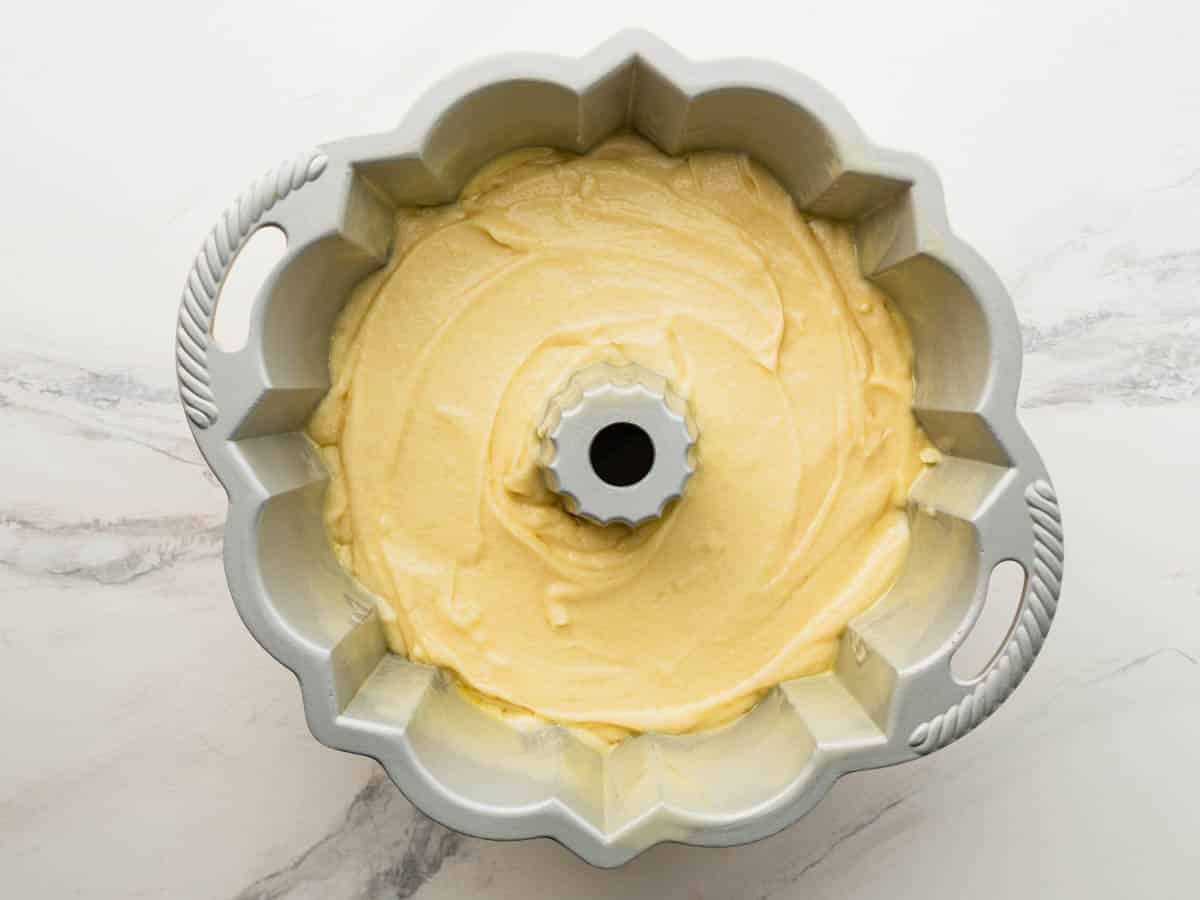
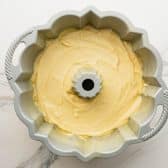
Pour the batter into your prepared pan. Use a spatula to spread it evenly and smooth the top.
Tap the pan gently on the counter 2-3 times to release any big air bubbles.
Bake for 75-80 minutes, or until the cake passes the doneness tests.
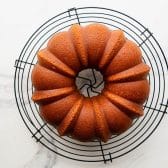
** How to Tell When It’s Done: The top should be golden brown and spring back when lightly touched. A toothpick inserted into the center should come out clean or with just a few moist crumbs. The internal temperature should reach about 200-210°F if using a thermometer.
** Quick Note: Oven temperatures vary. Start checking for doneness at the 65-minute mark, but don’t open the oven door before then or the cake may sink.
If the top is browning too quickly, tent loosely with aluminum foil during the last 15-20 minutes of baking.
Step 8: Cool and Unmold
Remove the cake from the oven and place the pan on a wire cooling rack. Let it cool in the pan for about 10 minutes.
The cake needs to set slightly so it doesn’t crumble when you unmold it. If you try to remove it too soon, it may fall apart. If you wait too long, it may stick to the pan and moisture can negatively impact the crust.
After 10-15 minutes, run a thin knife or offset spatula around all edges of the pan, including around the center tube, if the cake looks like it’s sticking at all.
Place a wire cooling rack or serving plate on top of the pan, then carefully flip the pan over. Give it a gentle shake or tap if needed, then lift the pan off.
Let the cake cool completely on the rack before slicing, glazing, or dusting with powdered sugar (at least 1 hour). A cooling rack allows air to circulate underneath, preventing a soggy bottom.
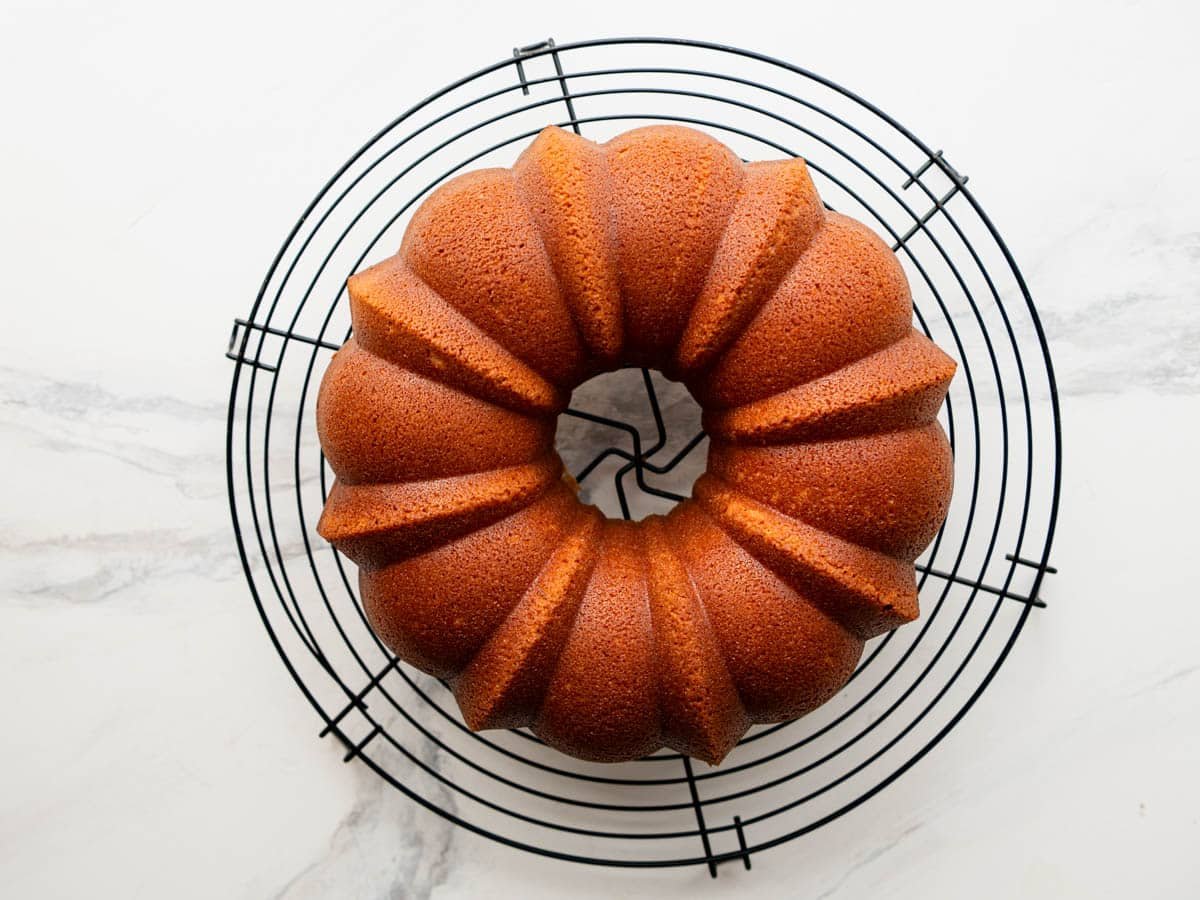
** Slicing Tip: Use a serrated knife and a gentle sawing motion for clean slices.
The cake is easier to slice when completely cool, but it’s delicious served slightly warm with butter.
Variations and Serving Ideas
Flavor Variations:
- Lemon Buttermilk Pound Cake: Add 2 tablespoons of fresh lemon zest to the batter and 1 teaspoon lemon extract (reduce vanilla to 1 teaspoon). Top with lemon glaze if desired.
- Almond Buttermilk Pound Cake: Replace 1 teaspoon of the vanilla extract with almond extract for a subtle, sweet almond flavor.
Glaze Options:
- Simple Vanilla Glaze: Whisk together 1 cup of powdered sugar, 2-3 tablespoons of milk, and ½ teaspoon of vanilla extract until smooth. Drizzle over the cooled cake.
- Lemon Glaze: Whisk together 1 cup of powdered sugar, 2-3 tablespoons of fresh lemon juice, and ½ teaspoon of lemon zest. Drizzle over the cooled pound cake.
Serving Ideas:
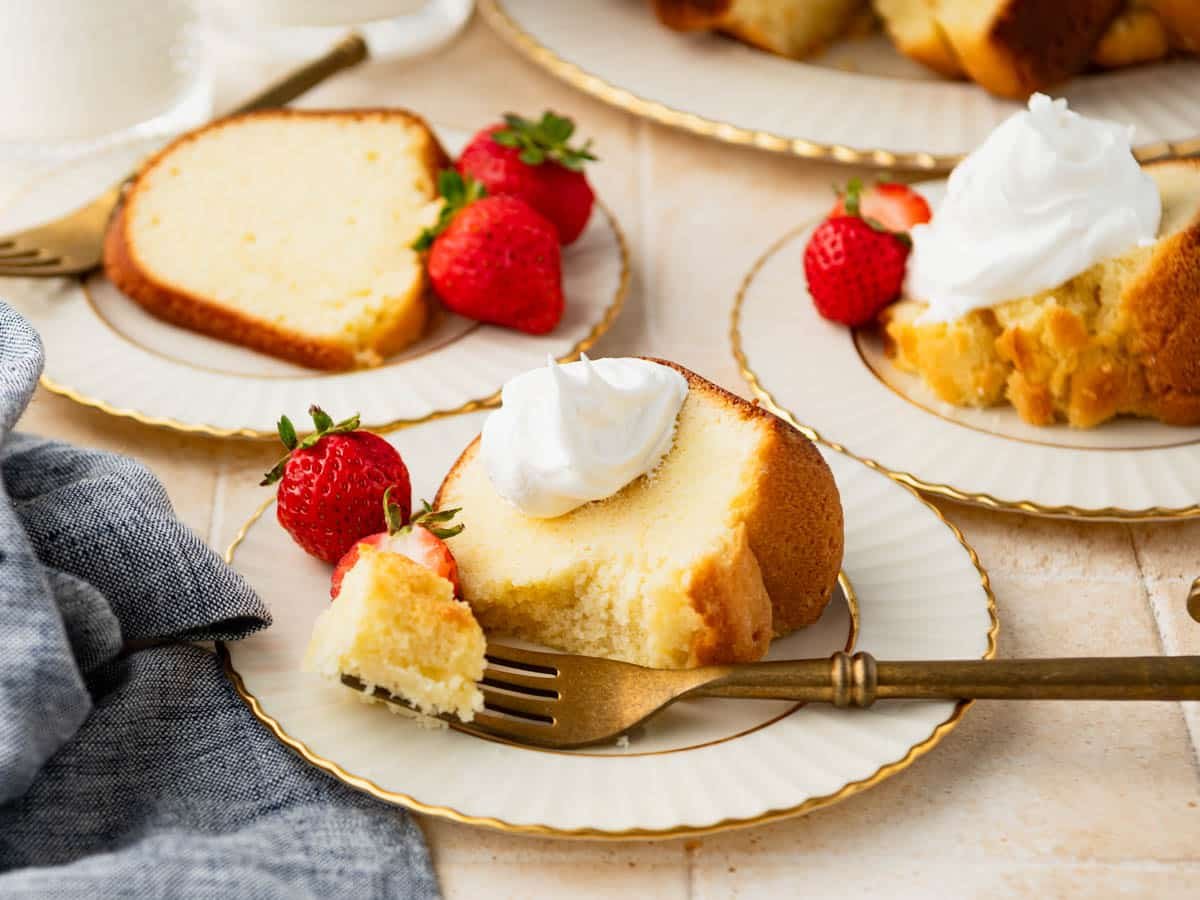
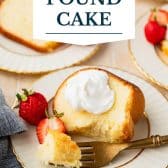
- Serve slices with fresh berries and whipped cream.
- Toast slices and serve with butter for breakfast.
- Layer with ice cream and chocolate sauce for an easy dessert.
- Dust with powdered sugar for a simple, elegant presentation.
Storage, Freezing & Make Ahead
- Storage: Store cake in an airtight container or wrap tightly in plastic wrap. It keeps at room temperature for 3-4 days or refrigerated for up to 1 week.
- Freezing: Wrap cooled cake tightly in plastic wrap, then in aluminum foil. Freeze for up to 3 months. Thaw overnight in the refrigerator or at room temperature for a few hours.
- Make-Ahead: This cake actually improves after a day as the flavors develop and the texture becomes more moist! Bake 1-2 days ahead and store covered at room temperature.
Frequently Asked Questions
Can you use buttermilk instead of milk in pound cake?
Yes, buttermilk is actually preferred for pound cake. It creates a more tender crumb, adds moisture, and provides a subtle tang that balances the sweetness.
What if I don’t have any buttermilk?
Add 1 tablespoon of white vinegar or lemon juice to a measuring cup, then fill to the 1-cup line with whole milk or 2% milk. Stir and let sit for 5 minutes. This creates a quick substitute that works well in baking. You can also swap out the buttermilk for an equal amount of heavy cream in this recipe!
Can I use low-fat buttermilk?
Yes, low-fat buttermilk will work, though full-fat buttermilk provides slightly richer flavor and texture. Avoid fat-free buttermilk if possible as it may produce a less tender cake.
What is the secret to a good pound cake from scratch?
Use room temperature ingredients, cream the butter and sugar thoroughly (5-6 minutes), add eggs one at a time, and mix gently once you add the flour. Proper pan preparation and careful doneness testing also make a big difference.
Should I use a bundt pan or tube pan for pound cake?
Either works well. A bundt pan creates a decorative shape and is more common in home kitchens. A tube pan (with removable bottom) makes unmolding easier. Both use the same baking time and temperature.
Related Recipes

Did you make this recipe?
If you enjoyed this recipe, please leave a comment with a 5-star review at the bottom of the post. Thank you!
Watch How to Make It
Buttermilk Pound Cake
Equipment
- electric mixer
Ingredients
- 3 cups (360 grams) all-purpose flour
- ¾ teaspoon salt (I use table salt, not kosher salt here)
- 1 cup (2 sticks) unsalted butter, softened at room temperature
- 3 cups granulated sugar
- 6 large eggs, at room temperature
- 1 cup whole buttermilk, at room temperature and well shaken
- 1 tablespoon vanilla extract
Instructions
- Preheat the oven to 325°F. Grease and lightly flour a tube pan or Bundt pan or spray with nonstick baking spray; set aside.

- In a large bowl, sift or whisk the flour and salt. Set aside.
- In a large bowl, use an electric mixer to cream together the butter and sugar until light and fluffy, about 5-6 minutes.
- Add the eggs, one at a time, mixing well after each addition. Scrape the sides and bottom of the bowl periodically.
- With the mixer on low, alternately add the flour/salt and the buttermilk, starting and ending with the flour. Mix until combined. Stir in the vanilla.
- Transfer the batter to the prepared pan. Gently tap it a couple of times on the counter to release any big air bubbles.
- Bake the cake in the center of the oven for about 75 minutes, or until the top is browned and the sides begin to pull away from the pan. A toothpick inserted into the center should come out clean or with just a few moist crumbs.
- Let the cake cool in the pan for 10 minutes, then invert on a wire rack to cool completely.
Notes
- Room temperature ingredients are essential for proper mixing and texture.
- Grease and flour your pan thoroughly to prevent sticking.
- Cream butter and sugar for 5-6 minutes until light and fluffy.
- Add eggs one at a time, beating well after each addition.
- Mix gently once flour is added to avoid a dense texture. Stop as soon as flour disappears.
- Alternate adding dry ingredients and buttermilk, starting and ending with flour mixture.
- Bake until a toothpick inserted in the center comes out clean and the top is golden brown.
- Cool in pan for 10-15 minutes before unmolding to prevent crumbling.
- No buttermilk? Make a substitute with 1 cup milk plus 1 tablespoon white vinegar or lemon juice.
- Store covered at room temperature for 3-4 days. The cake tastes even better the next day!









Blair
I have used an identical pound cake recipe for my entire married life (49+ years) and it is my husbands absolute favorite. I have been wondering where this recipe originated. I have deep roots in the Shenandoah Valley but not sure the recipe came from there. Do you know where your recipe came from.
Thank you
Hi Barbara,
That’s funny! I actually just adapted this recipe from my vanilla pound cake recipe (here), substituting the buttermilk for heavy cream and omitting the caramel icing. It’s so nice to hear from a local. 🙂 Hope you have a Merry Christmas!